 blog
blog
English Trial Lesson for Kids
English Trial Lesson for Kids: see how tutors check level, what happens by age, and which signs show the teacher is a good fit before you book.
Days and Months in English for Kids
Days and months in English for kids: simple calendar words, age-by-age practice ideas, common mistakes, and easy routines for home learning.

Describing People in English for Kids
Describing people in English for kids: teach clear, kind vocabulary, sentence frames, age-based examples, and easy practice ideas.

Hobbies in English for Kids
Hobbies in english for kids help children learn useful words through art, sport, music, games, and family routines at home.

Places in Town in English for Kids
Places in Town in English for Kids: teach useful words, prepositions, and directions with age-based examples, map games, and easy home practice.
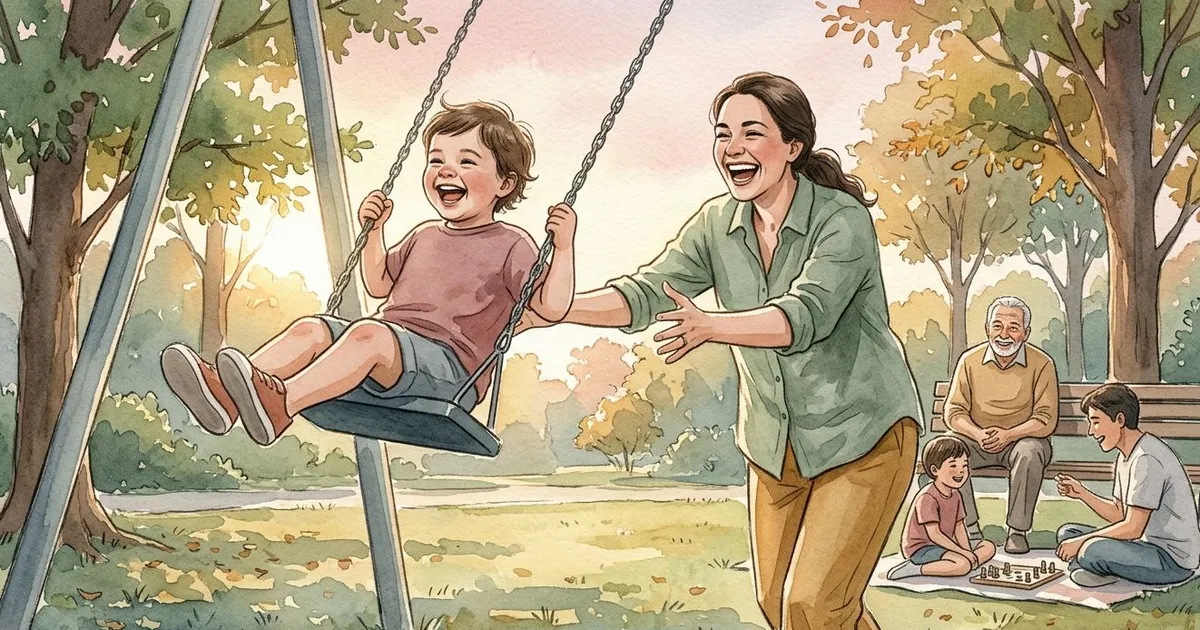
Family Members in English for Kids
Family Members in English for Kids: teach core and extended vocabulary with simple sentences, age-based activities, and inclusive tips for every family.
Food and Drinks in English for Kids
Food and Drinks in English for Kids: teach everyday vocabulary, meal phrases, and age-based practice ideas for children ages 4-15 at home or in lessons.

School Subjects in English for Kids
School Subjects in English for Kids: teach common class names with natural sentences, age-based tips, and simple timetable games for home practice.
Classroom Objects in English for Kids
Classroom objects in English for kids: simple word lists, sentences, pronunciation tips, and home practice ideas for young learners.
Short Answers in English for Kids
Short Answers in English for Kids: teach yes/no patterns, helper verbs, and common fixes with clear examples and quick practice for ages 4-15.
And, but, and or in English for Kids
Learn and but or in English for kids with simple meanings, age-by-age examples, pronunciation tips, common mistakes, and easy home practice.
Should for Advice in English for Kids
Should for advice in English for kids made simple: teach one base-verb pattern, questions, negatives, polite tone, common mistakes, and home practice.
Must and Have to in English for Kids
Must and have to in English for kids made simple: teach rules, routines, tone, common mistakes, and easy parent practice at home.

Can and Cannot in English for Kids
Can and cannot in English for kids made simple with rules, examples, common mistakes, and practice tips for parents and teachers.

This That These Those in English for Kids
This That These Those in English for Kids: use a simple near/far and one/many rule, everyday examples, pronunciation tips, and two practice activities.
Object Pronouns in English for Kids
Object pronouns in English for kids made simple with examples, common mistakes, practice games, and parent tips for clearer sentences.

Subject Pronouns in English for Kids
Subject Pronouns in English for Kids explained with simple rules, common mistakes, age-based examples, and quick practice ideas.
English Support for Struggling Kids
English support for struggling kids starts with finding the real difficulty. Use short practice, age-based examples, and calm feedback to build confidence.
English Lessons per Week for Kids
English Lessons per Week for Kids: see age-based schedules, when one, two, or three lessons fit, and simple practice tips for steady progress.
English Routine at Home for Kids
English Routine at Home for Kids with practical daily activities, age-based timings, multilingual support, and simple ways to track progress.
English Mistake Correction for Kids
English Mistake Correction for Kids: what to fix first, calm scripts by age 4-15, and step-by-step examples for speech, reading, and writing errors.
English Storytelling Practice for Kids
English storytelling practice for kids helps children build speaking confidence, pronunciation, memory, and clear story structure at home.

English Debate Topics for Kids
English debate topics for kids with age-by-age ideas, useful speaking frames, and simple tips to build confidence, listening, and clear reasoning.

Oral Presentations in English for Kids
English oral presentation for kids: age-based tips, simple frames, topic ideas, and parent feedback to build clear, confident speaking.
English Journal Prompts for Kids
English journal prompts for kids build vocabulary, sentence control, and confidence in 5-10 minutes a day. Includes prompts by age, ages 4-15.

English Sentence Starters for Kids
English Sentence Starters for Kids ages 4-15, with practical examples for speaking, writing, opinions, feelings, stories, and classroom use.
High-Frequency English Words for Kids: Word Sets
High-frequency English word lists for kids, organized by age and reading level. Includes sentence games, phonics links, and short daily review routines.
English Phonemic Awareness for Kids
English phonemic awareness for kids helps children hear sounds, improve reading, spelling, pronunciation, and practise clearly at home.
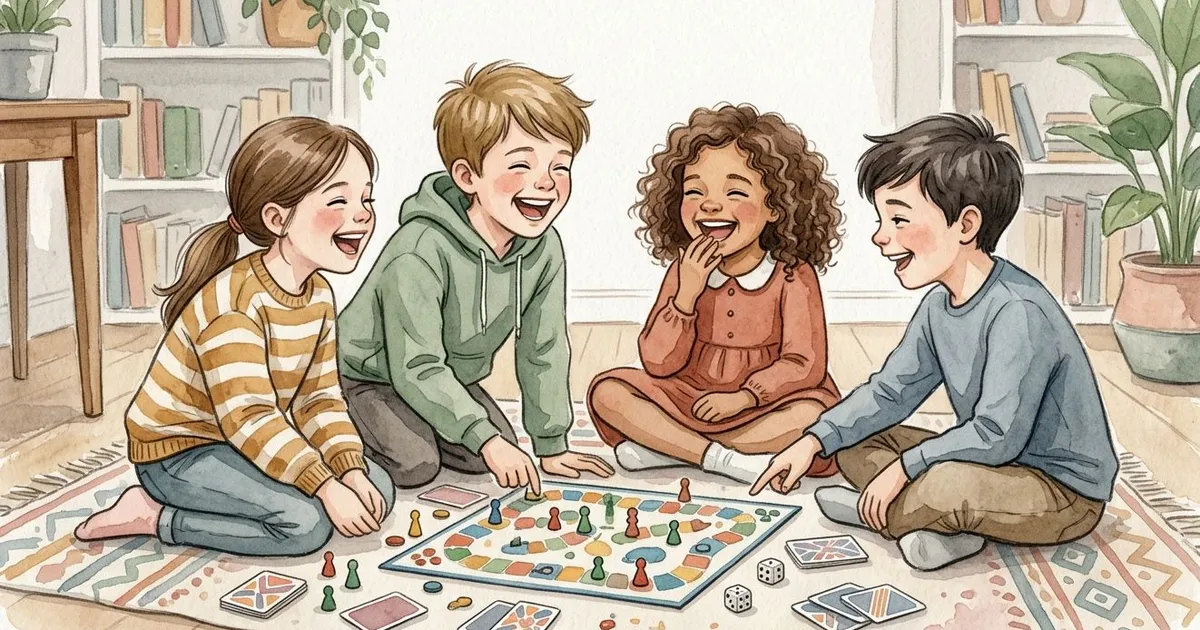
English Role Play for Kids
English role play for kids helps children practise real speaking through short, age-appropriate scenes for home, class, or online lessons.
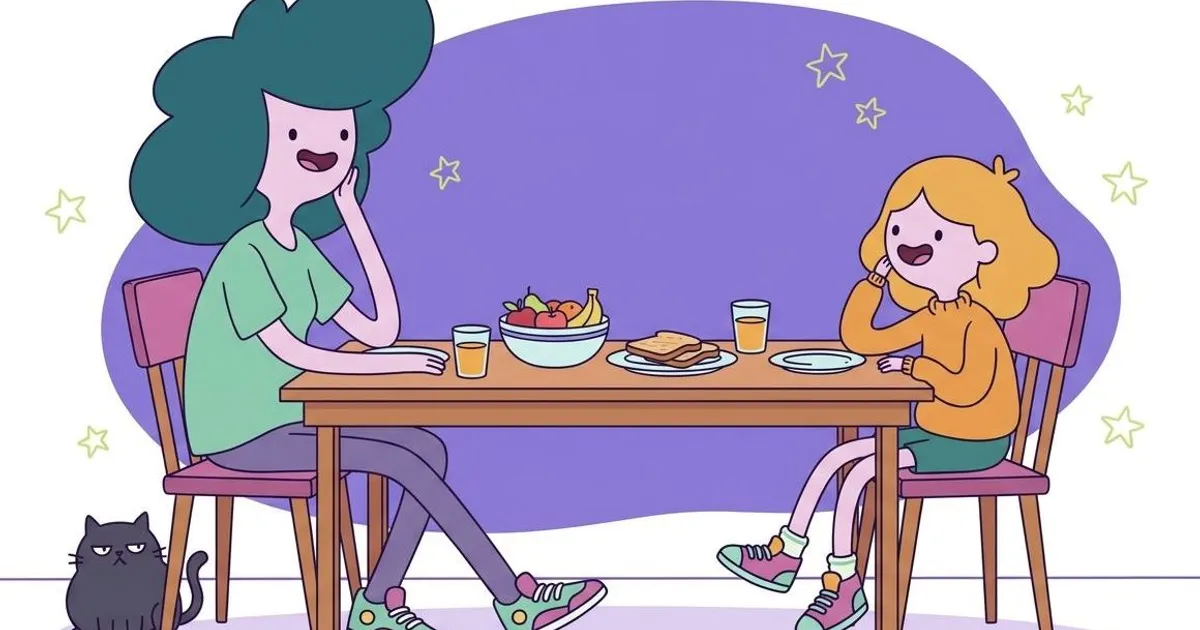
English Show and Tell for Kids
English show and tell for kids made easy with three-sentence frames, age-based examples, topic ideas, and calm tips that help shy speakers join in.