Fruit Names in English for Kids
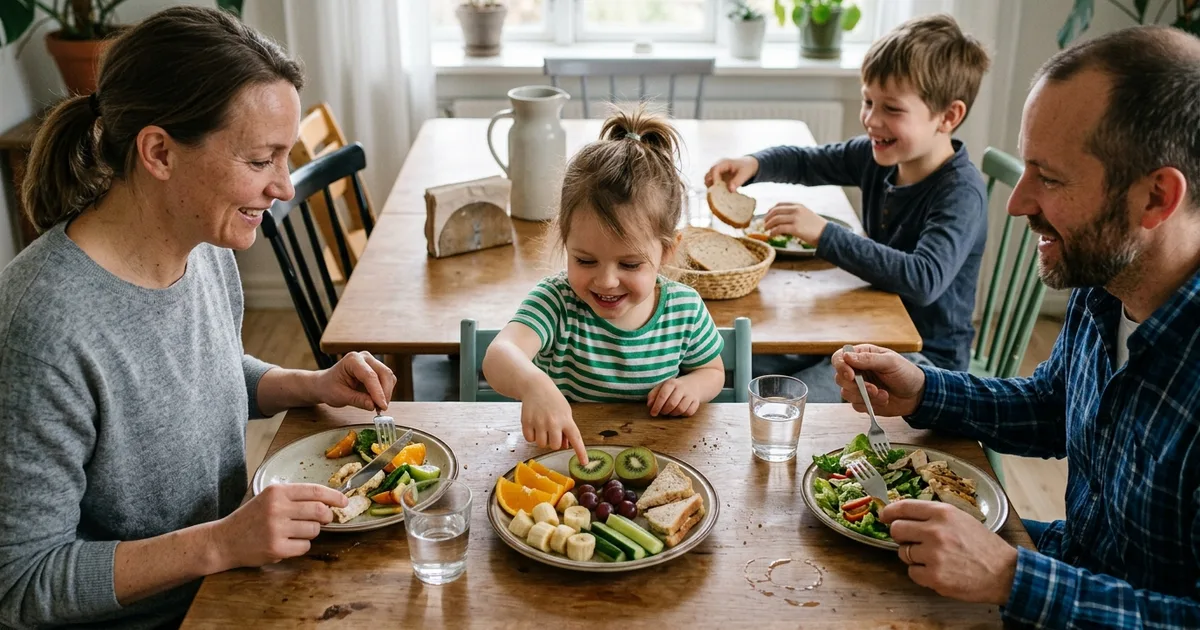
Fruit Names in English for Kids: Words and Activities can start with six words: apple, banana, orange, pear, grape, and strawberry. Children learn these words faster when they see, touch, sort, and describe the fruit. Start with familiar items, then introduce fruit from other regions and cultures. Perfect spelling can wait. The first goal is to understand each word and use it in a short phrase such as “a red apple” or “I like bananas.”
📥 Fruit Names in English for Kids
A printable vocabulary and sentence practice pack
Leave your email — we'll send the PDF to your inbox.No spam — the PDF plus one short reminder. Unsubscribe anytime.
Core Fruit Words and Useful Phrases
Begin with familiar fruit, then form small groups. Each new word connects to a colour, shape, taste, or meal.
apple, banana, orange, pear, grape
strawberry, blueberry, raspberry, blackberry
peach, plum, cherry, apricot
lemon, lime, grapefruit, tangerine
mango, pineapple, papaya, coconut, guava
watermelon, melon
Teach phrases with the names: “It is a peach,” “These are grapes,” “I like mangoes,” “The lemon is sour,” and “Would you like watermelon?” Fruit Names in English for Kids: Words and Activities should build real speech, not become a spelling test of isolated nouns.
Using Fruit Words in Sentences
Fruit words help children practise articles, plurals, colours, numbers, and preferences. Forms change depending on whether the child means one whole item, multiple items, or fruit as food in general.
Move from labels to short exchanges. Ask, “What is this?”, “What colour is the plum?”, “How many grapes can you see?”, or “Which fruit would you choose?” A full sentence helps, but a one-word reply is a valid first step. Model the longer form without correcting every answer.
A Clear Way to Introduce New Fruit Vocabulary
A Fruit Names in English for Kids: Words and Activities routine follows three stages. First, show a real item or picture and say its name. Next, ask the child to point, match, or choose. Finally, ask for the word in a short phrase. Understanding comes before recall.
Introduce a linked group, such as berries or citrus fruit. Contrast words that look or sound different: “This is a lemon. This is a lime.” Add one detail: “The lemon is yellow. The lime is green.” Real fruit is ideal; food packets, menus, drawings, and family photographs work too.
For a multilingual child, a home-language translation can bridge meaning. Give the English word immediately, then use it in a sentence. In LearnLink lessons, tutors use pictures, gestures, and choices so a child understands without a long explanation in either language.
Activities for Different Ages
school-age kids: Put fruits or picture cards in a bag. Name one for the child to find. Play “Point to the banana” or offer two choices: “Apple or orange?” Finish with pretend feeding: the child gives a toy the fruit it “asks” for.
school-age kids: Set up a fruit shop. One person asks, “Can I have three apples, please?” and the other replies, “Here you are.” Children can sort cards by colour, size, or taste, then explain a choice: “A strawberry is red and sweet.” The game combines vocabulary with grammar.
school-age kids: Fruit Names in English for Kids: Words and Activities can lead to menu writing, surveys, and comparisons. A learner might compare fruit eaten in different countries, describe a local recipe, or rank choices by taste and texture. Ask for reasons: “I chose mango because it is soft, sweet, and easy to add to a smoothie.”
Short Practice Routines at Home
For home practice, Fruit Names in English for Kids: Words and Activities works best in brief, repeated turns. Use the words at breakfast, while shopping, unpacking groceries, or preparing a snack. Ask one focused question, then give the child time to answer.
Mystery Fruit Challenge
Choose a fruit without naming it. Give three clues about its colour, shape, taste, or texture: “It is yellow. It is long. It is soft inside.” Your child guesses, then gives clues for another fruit. Older learners can add where it grows or how the family uses it.
Review the words in varied ways during the week: name them, match them to pictures, use them in a shop game, describe them, then recall them unaided. Stop while the activity feels lively. A calm five-minute exchange beats a long session filled with prompts and corrections.
Common Mistakes and How to Correct Them

Children may say “an banana,” omit a plural ending, or mix words such as melon and watermelon. Reply with the correct form: “Yes, it is a banana,” or “You found three cherries.” Conversation continues while the child hears an accurate model.
Do not teach pronunciation through written letters alone. English spelling does not always reveal the sound. Let the child hear the word, watch the speaker’s mouth, and repeat it in a phrase. Clap the parts in longer words such as banana, pineapple, and watermelon, but accept normal differences between English accents.
Avoid introducing too many unfamiliar fruit names at once. The goal is not an impressive list. A child should recognise a fruit word, retrieve it with less help over time, and use it purposefully. Revisit difficult words during meals or games instead of drilling them in one sitting.
- Practice five fruit names with children ages four to six during breakfast.
- Use picture cards to correct pronunciation without interrupting your child's full sentence.
- Compare two similar fruits, such as peach and pear, using real objects.
- Repeat difficult words three times slowly, then ask your child to repeat independently.
- Praise accurate attempts immediately and revisit one recurring mistake in tomorrow's game.
When a word has several meanings or pronunciations, Cambridge Dictionary is a useful check before turning it into child-friendly examples.
Frequently Asked Questions
How Many Fruit Words Should a Child Learn at One Time?
For a beginner, start with a small group the child can meet and use during one activity. Four to six words may suit a young learner; an older child may handle more. Fruit Names in English for Kids: Words and Activities should expand after the first words appear in phrases, choices, or short questions.
Should I Correct Every Pronunciation Mistake?
No. Correct mistakes that block understanding or sounds that repeatedly cause trouble. Say the word naturally, invite one more attempt, and continue. Frequent interruptions can make a child cautious about speaking. Understandable speech is the goal; matching one national accent is not.
Is It Acceptable to Use Translations When Teaching Fruit Words?
Yes. A quick translation can confirm meaning, especially for a child who uses two or three languages. Follow it with the English word, a picture or real item, and a short sentence. Translation should lead to English practice, not replace it. Gradually ask questions the child can answer directly in English.
How Can My Child Remember the Spelling of Difficult Fruit Names?
Connect spelling to a word the child understands and can say. Build berry words from the shared ending in strawberry, blueberry, raspberry, and blackberry. Notice smaller parts in pineapple and watermelon. Then use the word in a label, menu, shopping list, or sentence. Meaningful writing gives spelling more purpose than repeated copying.
A short one-to-one lesson can show what level and pace fit your child — book a free English lesson.
Stay updated on our latest tips and resources by following us on Instagram LearnLink.